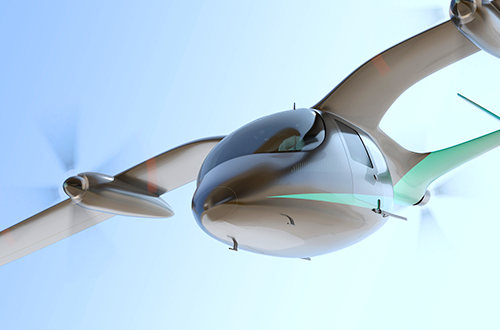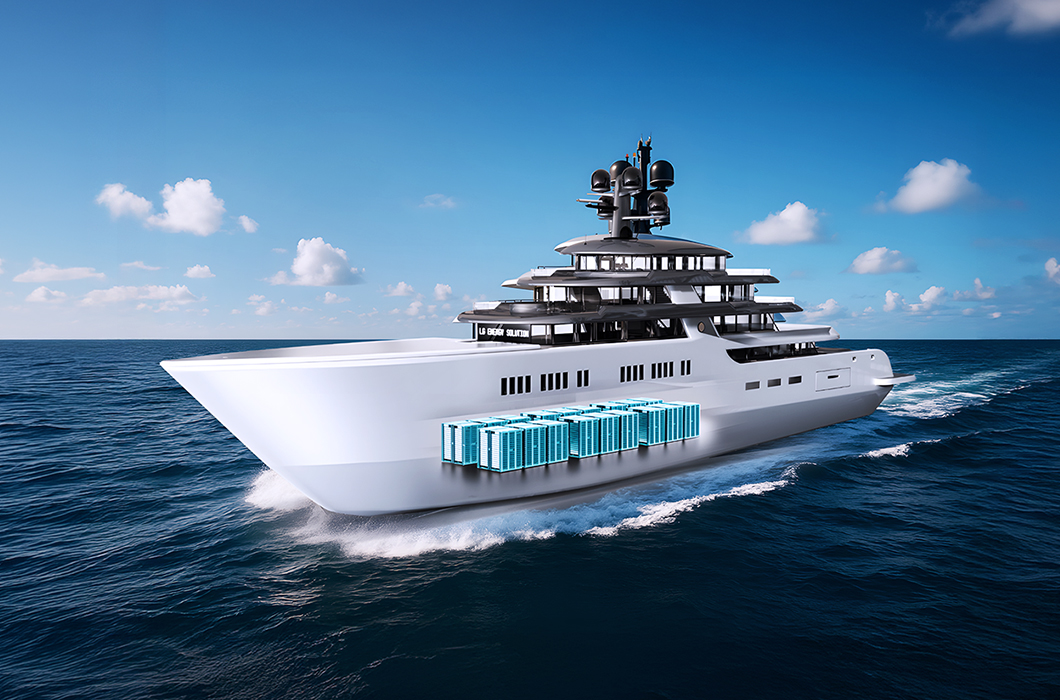
From electric vehicles to humanoid robots* on factory floors and Urban Air Mobility (UAM)* taking to the skies, batteries have become a core technology driving electrification across a wide range of fields. Now, that transformation is extending to the seas.
Electrification is also steadily gaining ground in the vessel sector, with batteries increasingly being integrated into conventional engine-based propulsion systems. So how are vessels being electrified, and what performance and conditions are required of their batteries?
In this article, we’ll look at the latest trends in vessel electrification, the key requirements for vessel batteries, and LG Energy Solution’s competitive strengths in meeting those requirements.
*View: Humanoid Robots Are Changing Everyday Life: Why Do Batteries Matter?
*View: Why is Battery Technology Critical to UAM Commercialization?
The Dawn of the Vessel Electrification Era
Roughly 80% of global trade by volume is transported by sea. Maritime shipping plays a core role in supporting global logistics. Given the sheer scale of maritime transport, the impact of the fuel consumed and the emissions produced during voyages cannot be ignored. According to data released by the United Nations Conference on Trade and Development (UNCTAD) in 2023, the shipping sector accounts for approximately 3% of global greenhouse gas emissions.
To address this challenge, the International Maritime Organization (IMO) is pursuing decarbonization with the goal of achieving carbon neutrality in international shipping by 2050. Vessel electrification is drawing attention as a way to advance this goal while also improving operational efficiency by reducing fuel consumption.
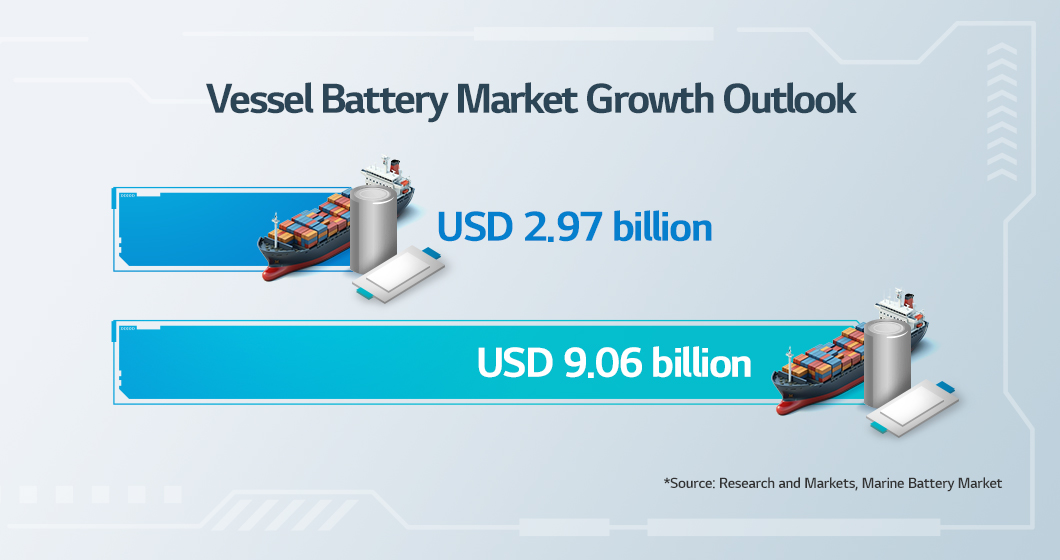
As vessel electrification gains momentum, batteries are playing an increasingly important role. Batteries are not only a key enabler of vessel electrification technologies but also help reduce fuel consumption and improve operational efficiency. As a result, the vessel battery market is expected to grow rapidly. According to global market research firm Research and Markets, the market is projected to grow from approximately USD 2.97 billion in 2025 to approximately USD 9.06 billion in 2031, at a compound annual growth rate (CAGR) of 20.4%.1
How Are Vessels Being Electrified?
The most suitable type of battery varies depending on a vessel’s voyage distance and purpose. Available installation space and weight limitations of each vessel type must also be taken into account. Therefore, it is important to select the right electrification approach based on a comprehensive assessment of each vessel’s intended use, characteristics, and operating environment.
Electrification approaches include the Conventional Hybrid, in which an engine generates electricity to charge a battery that serves as an auxiliary power source; the Plug-in Hybrid, which uses engine power with power from a battery charged via an external power grid (shore power); and the Fully Electric Propulsion, which runs on battery power alone.
Currently, the adoption of fully electric propulsion is expanding mainly among electric ferries and coastal vessels that operate over short distances. In contrast, the hybrid approach is primarily used for vessels that need to travel long distances.
| Electrification Approach | Power Configuration | Characteristics |
|---|---|---|
| Conventional Hybrid | Engine + battery | Battery assists propulsion power |
| Plug-in Hybrid | Engine + battery | Shore power charging available; battery-only operation on some sections |
| Full-electric Ship | Battery | Battery supplies all propulsion and auxiliary power |
What Changes Will Vessel Electrification Bring?
① Improved Energy Operating Efficiency
Vessel electrification improves energy operating efficiency. Hybrid vessels can optimize the use of engines and batteries according to operating conditions. During sudden surges in power demand, batteries provide supplementary power to reduce the load on the engine; at other times, they serve as backup power sources to support a stable electricity supply. By using batteries for reserve power and peak load reduction in this way, vessels can operate more efficiently.
② Enhanced Operational Safety
Batteries not only improve energy efficiency but can also enhance the stability of a vessel’s onboard power system. In electrified vessels, particularly those using hybrid systems, batteries immediately supply emergency power if a problem occurs with the engine-based power source, preventing interruptions to the electricity supply. In fact, guidelines issued by international classification societies such as the American Bureau of Shipping (ABS) identify securing an emergency power source and maintaining continuity of power supply even in the event of a failure as important safety requirements. In this way, batteries serve as a safety net that supports the normal operation of a vessel.
③ Reduced Fuel Consumption and Carbon Emissions
Vessel electrification reduces fuel consumption, contributing to lower carbon emissions in the shipping industry and wider adoption of eco-friendly operations. Fully electric propulsion vessels produce no direct exhaust emissions while underway, and hybrid vessels can also reduce fuel consumption and emissions. In areas with strict environmental regulations, such as Emission Control Areas (ECAs), vessels can use electric propulsion to comply with regulations effectively.
What Should Be Different About Vessel Batteries?
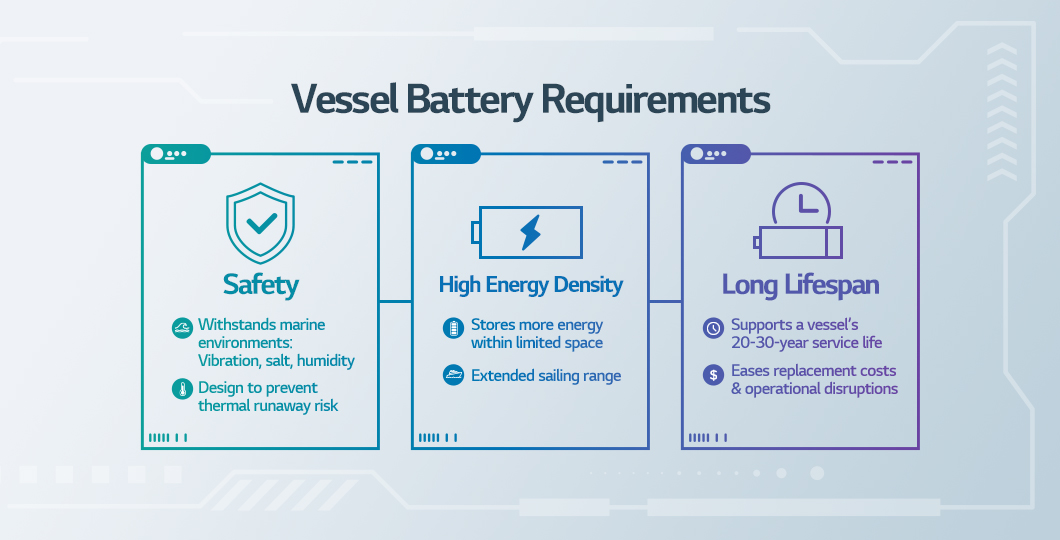
As vessel electrification expands, batteries are playing an increasingly critical role. However, vessel batteries must be designed for an operating environment entirely different from that of EVs. They must operate at sea for years or even decades, enduring constant exposure to harsh conditions such as vibration, salt, and humidity.
① Safety
Because vessels operate at sea, responding immediately to problems with their power source is difficult. That’s why a higher level of safety is required than for any other form of transportation. Accordingly, developing vessel batteries requires advanced safety design capabilities to minimize the risk of thermal runaway* and ensure stable operation in marine environments characterized by vibration, salt exposure, and high humidity.
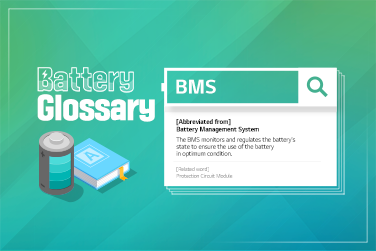
*View: Battery Glossary – TP Prevention Technology
② High Energy Density
Vessels need to store as much energy as possible within limited space and weight. Vessels that sail long distances in particular need even more energy. The higher a battery’s energy density, the more energy it can store in the same space, which helps extend sailing range and broaden the range of vessel types to which batteries can be applied.
③ Long Lifespan
Once built, a vessel remains in service for 20 to 30 years or more. Its batteries must therefore maintain stable performance over a long period. Since replacing batteries entails not only cost but also potential disruptions to vessel operations, a long lifespan is an important competitive strength for vessel batteries.
LG Energy Solution’s Competitive Strengths for the Era of Vessel Electrification
The growing adoption of vessel electrification does not simply mean creating new demand for batteries. Competitiveness in vessel battery technology now extends beyond cell performance to encompass system-wide technological capabilities, including diverse platform technologies, safety design, and Battery Management System (BMS) technology. LG Energy Solution is building differentiated competitive strengths in these areas as it prepares for the future vessel market.
① Diverse Battery Lineup and Global Mass-Production Experience
The battery characteristics required by vessels vary by their intended use and operating environment. LG Energy Solution offers a diverse battery lineup that includes cylindrical, pouch, and prismatic cells, and leverages its extensive mass-production experience and quality competitiveness it has built in the global EV and ESS markets to meet various vessel electrification needs.
② High-Energy-Density Materials Technology
As vessel electrification expands, technologies that store more energy within limited space and weight are becoming increasingly important. For long-distance vessels in particular, high energy density is a key factor that determines voyage distance and operational efficiency. Drawing on its high-capacity NCMA cathode and high-efficiency silicon anode technologies, LG Energy Solution is focused on achieving the high energy density required for vessel batteries. NCMA cathode technology is designed to deliver high energy density while maintaining stable performance. In addition, silicon anode technology further enhances energy storage performance while also delivering a long lifespan, strengthening the battery’s competitiveness.
*View: (Infographics #11) NCMA Cathode
*View: The Next-Generation Anode Material – Silicon
③ Differentiated Battery Safety Technology
Because responding immediately to battery issues is difficult while a vessel is underway, an exceptionally high level of safety is required. Based on its battery manufacturing expertise and operational data it has accumulated over many years, LG Energy Solution applies the optimal safety technologies required for each application. In addition, its advanced BMS* technology monitors battery voltage, current, and temperature in real time and detects early signs of abnormalities, supporting safe battery operation.
*View: Battery Glossary – BMS (Battery Management System)
Key Q&A
Q. What is vessel electrification?
Vessel electrification is a technology that moves vessels away from engine-based propulsion and operates them using batteries. It takes various forms, ranging from hybrid approaches to fully electric propulsion, which runs on battery power alone.
Q. Why is vessel electrification drawing attention?
The shipping industry carries approximately 80% of global trade by volume while accounting for approximately 3% of global greenhouse gas emissions. As regulations tighten in line with the IMO’s 2050 carbon neutrality goal, vessel electrification is drawing attention as a way to comply with environmental regulations and improve operational efficiency at the same time.
Q. What are the key requirements for vessel batteries?
Vessel batteries require safety, high energy density, and long lifespan. That’s because responding to problems at sea is difficult, vessels need to store a large amount of energy in limited space, and batteries must maintain performance over a vessel’s long service life of 20 to 30 years or more.
Q. What competitive strengths does LG Energy Solution have in vessel batteries?
LG Energy Solution has a diverse battery lineup, including cylindrical, pouch, and prismatic cells, along with global mass-production experience, and it achieves high energy density through NCMA cathode and silicon anode technologies. It also applies optimal safety technologies and advanced BMS technology to operate batteries safely.
That wraps up our look at vessel electrification and vessel batteries. The requirements differ depending on a vessel’s intended use and operating environment, but batteries are at the heart of it all.
LG Energy Solution is preparing for the era of vessel electrification with world-class battery technology and global mass-production capabilities. Building on the experience we’ve accumulated across diverse industries, we will continue to advance the battery solutions needed for the future maritime industry and expand the new possibilities of electrification.
- Research and Markets (ResearchAndMarkets.com). (2026). Marine Battery Market – Global Industry Size, Share, Trends, Opportunity, and Forecast, 2021-2031 ↩︎