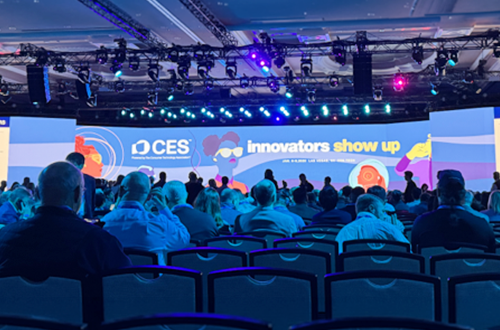
◼ CES 2025 to provide a new customer experience by breaking down the boundaries between humanity and technology through AI-based mobility technology
◼ Presenting a vision of solving problems that humanity is facing and creating a sustainable industry through the mobility technology
◼ Exploring the potential of mobility technology for innovation in various industries, including construction, logistics, and agriculture, by creating new added-value
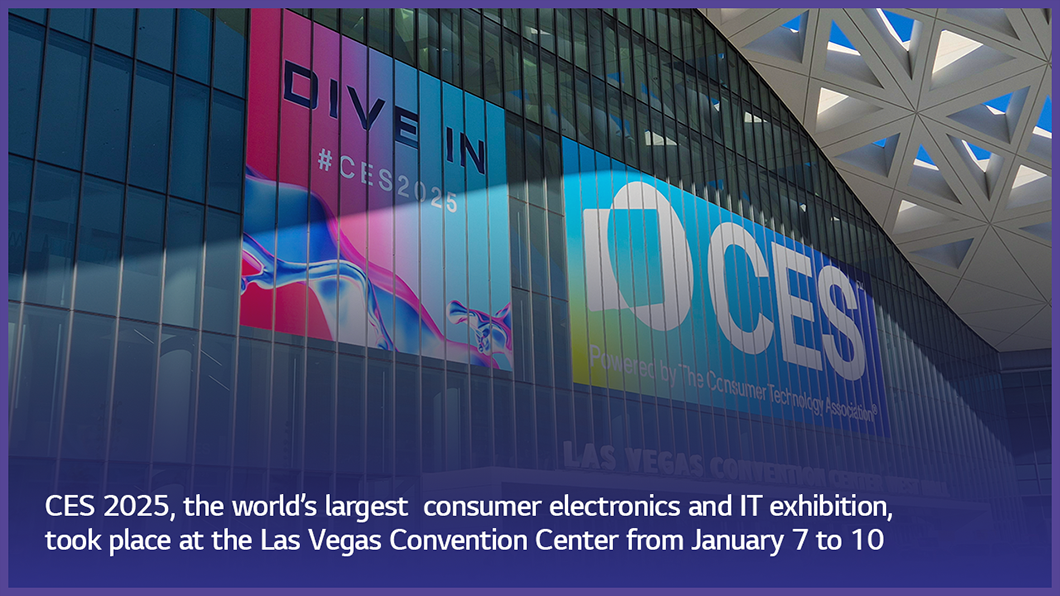
Every January, the Consumer Electronics Show (CES), the world’s largest consumer electronics and IT exhibition, takes place as it offers a first look at the technology trends and innovative products that will shape the year ahead. CES 2025, based on the main theme “Dive In,” delivered the message of “Connect, Solve, and Discover.” With AI at the forefront, the event showcased how AI-based advanced technologies are integrated into various industries, and ultimately presented solutions to the challenges humanity faces.
Mobility is one of the key technology themes of CES 2025, drawing unprecedented attention to its evolving advancements. Particularly, various examples were presented that show how artificial intelligence (AI), as a fundamental technology that penetrates all industries, can be combined with mobility to create new experiences and value. In this article, we will ‘dive in’ to explore notable mobility technology cases and insights based on the key themes of CES 2025.
Connect: Strengthening the Connection between Technology and Humanity
CES 2025 showcased various ways in which advanced technologies connect with humans, fostering seamless interactions and accelerating innovation across various industries. Specifically, AI has received a lot of attention in the exhibition as it is linked to mobility solutions, enhancing human-technology interaction. This aligns with the outlook of global consulting firm PwC (PricewaterhouseCoopers), which predicts that mobility is a representative industry, where the integration of AI will lead to safer, more efficient, and more sustainable transportation systems. Now, let’s take a closer look at the examples of AI-based mobility technology innovations presented at CES 2025.
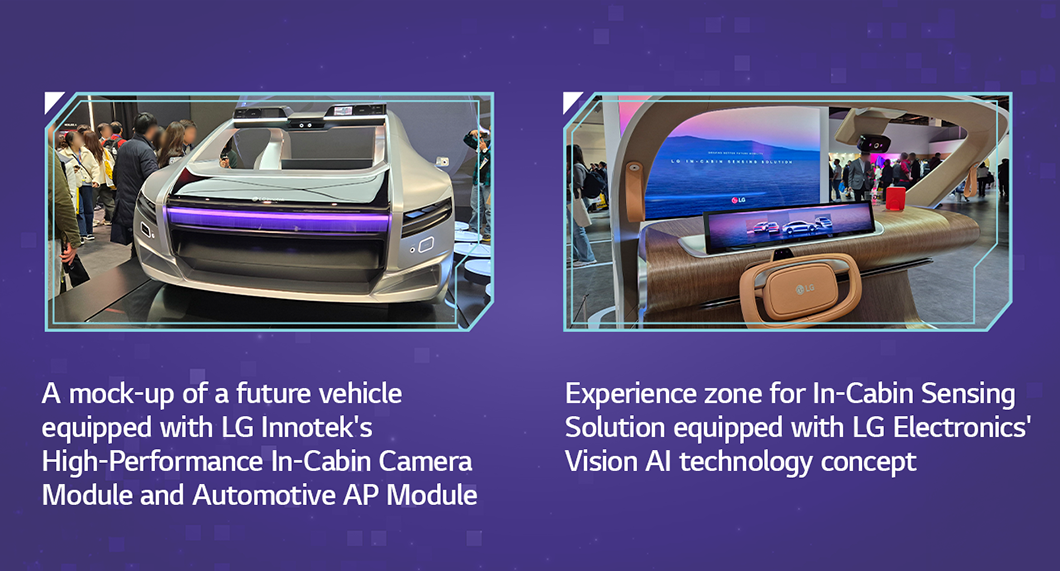
(1) LG Innotek: In-Cabin Camera Module and Automotive AP Module enhancing safety and convenience
LG Innotek introduced the “High-Performance In-Cabin Camera Module” and “Automotive Application Processor (AP) Module” that enhance driving safety and convenience. The High-Performance In-Cabin Camera Module contains a 5-megapixel class RGB (Red, Green, Blue) camera, an infrared camera, and a 3D camera in a single module. When the driver closes eyes, the camera detects this and sound an alert for driver drowsiness. It also monitors whether the front passenger and rear-seat occupants, on top of the driver, are wearing their seat belts. Furthermore, it features a 3D camera that allows face recognition login, greatly increasing convenience, as well as safety. The automotive AP Module, often served as the ‘brain’ of a vehicle, represents a cutting-edge semiconductor component that integrates and controls automotive electronics systems such as Advanced Driver Assistance Systems (ADAS) and Digital Cockpit. This module plays a crucial role in ensuring a safe and comfortable driving experience by quickly processing data. For instance, if the vehicle in front suddenly stops, the module processes data from cameras and sensors in real-time to detect an emergency and automatically activates the brakes to prevent a collision.
(2) LG Electronics: Vision AI that ensures the entire driving journey
LG Electronics’ AI technology in the In-Cabin Sensing Solution enhances the safety and convenience in all situations while driving and is responsible for the entire journey. Based on the Vision AI that quickly and accurately recognizes surrounding objects, people, and signals, it can translate traffic signs written in foreign languages in real-time. It also remembers landmarks or sculptures that caught the driver’s interest during the drive to provides explanation later on. When it detects careless behavior, such as using a mobile phone or not looking at the road, it emits a warning sound to protect the driver, passengers, and pedestrians.
(3) Hyundai Mobis: M.Brain, a Human Tech that reads drivers’ minds
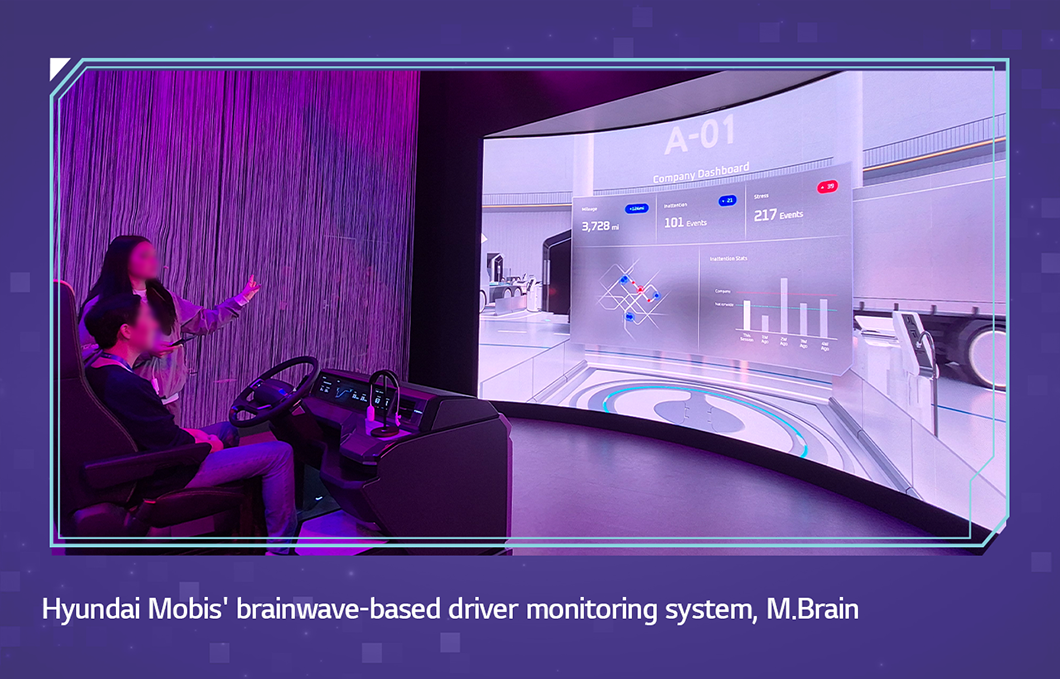
CES 2025 showcased “Human Tech” innovations that bridge the gap between humans and technology, allowing for a deeper understanding of drivers’ minds. Hyundai Mobis introduced M.Brain, the world’s first brainwave-based driver monitoring system, which analyzes the driver’s brainwave and further improves the accuracy of its interpretation to monitor drivers’ attention levels in real time to prevent traffic accidents. For example, if the driver’s attention wanes, it issues warnings through visual (LED warning lights around the driver’s seat), tactile (vibrating seats), and auditory (headrest speakers) means. This technology has been recognized for advancing to the final stage before commercialization, utilizing AI to enhance driver safety.
Solve: Exploring Solutions to Challenges Humanity is Facing
With the rapid growth of population and urban development, transportation infrastructure is becoming increasingly overburdened, while environmental pollution and carbon emissions are worsening. CES 2025 served as an opportunity to explore how advanced mobility technologies can solve these issues. In particular, global mobility leaders, Toyota and Volvo aimed to present solutions through their unique long-term vision and insights.
(1) Toyota’s Woven City Project: Mobility technology and infrastructure to overcome urban challenges
As the name implies, Toyota’s Woven City, currently under construction, is a smart city where roads, buildings, and natural environments are interconnected and managed through AI technology. This smart city integrates diverse mobility technologies, creating a dynamic and efficient urban ecosystem. At CES 2020, Toyota unveiled the Woven City plans to build this smart city at the former site of Toyota Motor Plant in Susono City, southeast of Mount Fuji. Returning to CES after five years, Toyota announced the completion of Woven City’s Phase 1 construction, unveiling a more detailed blueprint for the project.
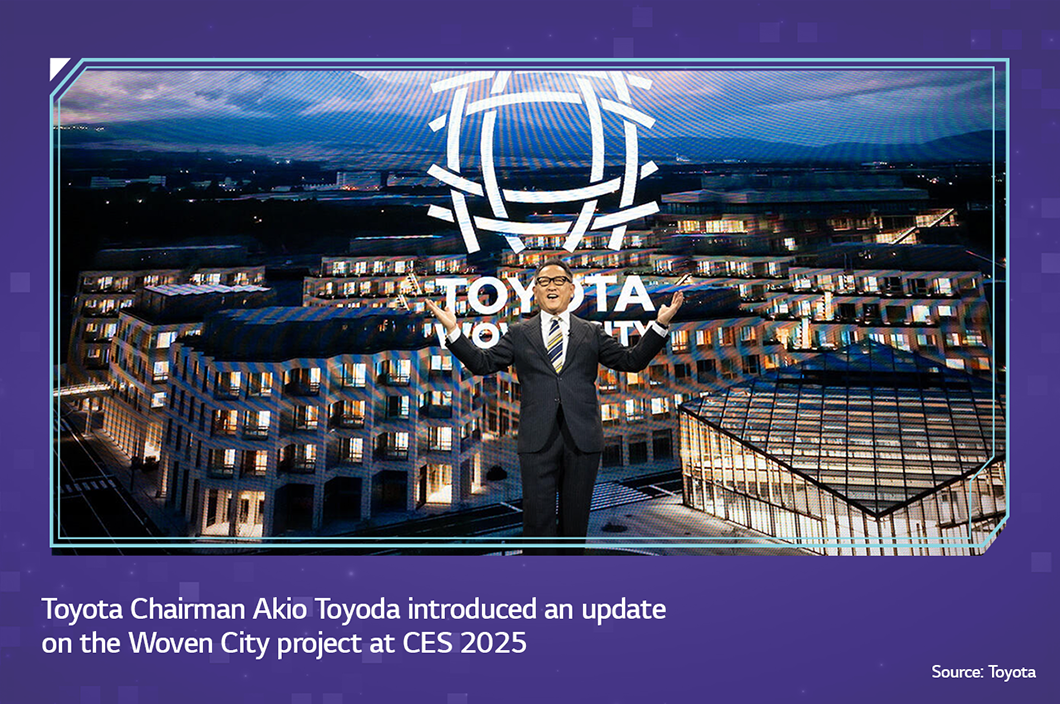
Woven City of the future will be based on AI technology and will introduce communication infrastructures and advanced technologies including AI, autonomous driving, robotics, and personal mobility throughout the city. In addition, people, objects, energy, and information will be constantly interconnected. Drones will ensure residents’ safe return, and US-based aerospace company Joby’s air taxi carries people between Tokyo and Woven City. Autonomous vehicles, bicycles, and scooters will travel on their own exclusive roads without traffic congestion. Toyota emphasized the critical role of Urban Air Mobility (UAM), autonomous vehicles, and advanced communication infrastructure in addressing urban transportation challenges through the Woven City project. These advanced technologies are interconnected in real-time, enabling data exchange between mobility systems. They provide drivers and pedestrians with optimal routes and transportation options based on traffic conditions, improving overall urban mobility. Ultimately, Toyota envisions mobility as not just a means of transportation within the city, but as the core infrastructure of the city that adds value to both society and individual lives by more efficiently connecting and moving people, goods, information, and energy.
(2) Volvo: Suggesting the direction of sustainable mobility technologies
Volvo, in its keynote speech, spotlighted the environmental challenges facing the transportation industry and emphasized that sustainable transport solutions can address these issues. The company outlined three key technologies—electric vehicle (EV) batteries, hydrogen fuel cells, and renewable fuels—as the foundation for achieving sustainable transportation. Regions where it is difficult to immediately transition to EVs and hydrogen-powered vehicles can significantly reduce the carbon emissions of internal combustion engine vehicles by using renewable fuels such as hydrotreated vegetable oil, biogas, and electricity-based fuels. Furthermore, Volvo also argues that autonomous driving and connected vehicle technologies can revolutionize the efficiency and safety of transportation and build a sustainable transportation ecosystem. Ultimately, the series of technologies presented by Volvo demonstrates how transportation and logistics systems, as well as emerging mobility energy sources, can function in harmony with the environment.
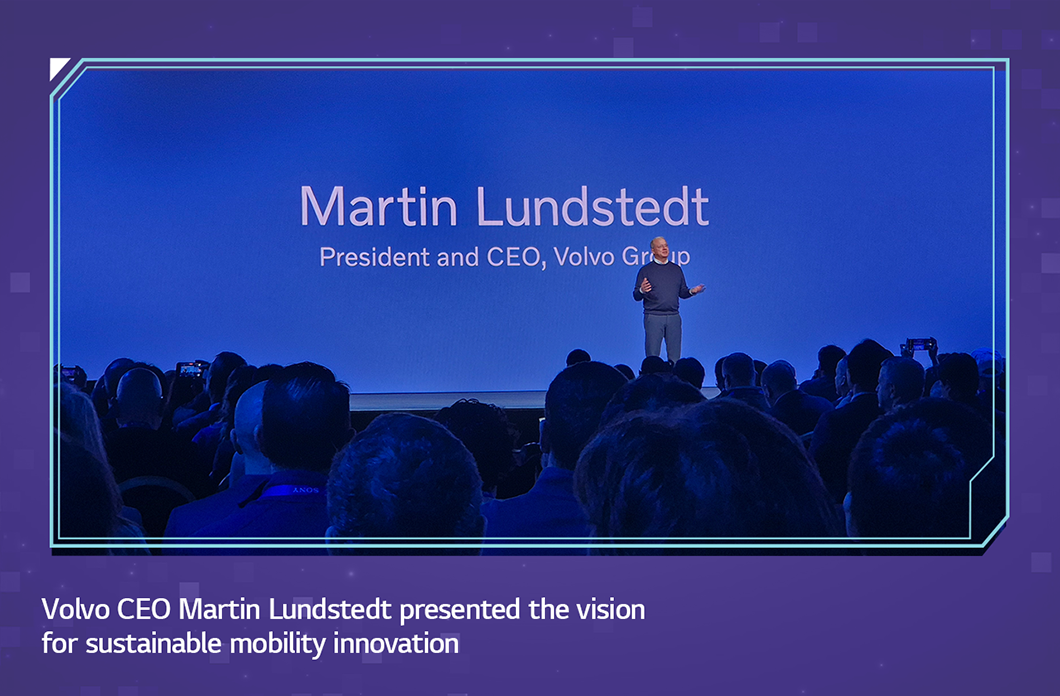
Volvo CEO Martin Lundstedt delivered the importance of collaboration among businesses, governments, and consumers to create a sustainable future. He reaffirmed Volvo’s commitment to achieving net-zero carbon emissions by 2040, emphasizing that unified efforts from companies, governments, and consumers can drive not only technological advancements but also progress toward a sustainable future.
Toyota’s Woven City project and Volvo’s keynote speech underscore that mobility no longer remains as a means of transportation, but actively solves social issues and plays a key role in creating a more sustainable future. Through this, CES 2025 provided the public with a clear direction for the future of mobility innovation.
Discover: Uncovering New Possibilities through Mobility Technologies
CES 2025 showed that innovation in mobility technology is not limited to the existing means of transportation such as roads and aviation but is creating new opportunities across various industries, impacting all aspects of human life. In particular, the convergence of advanced technologies, such as electrification, autonomous driving, AI, and Machine Learning (ML), not only improves operational and production efficiency in industrial sites but also ensures worker safety. Let’s take a closer look at five key industries that have unlocked new possibilities through cutting-edge technologies
(1) Industrial Equipment: Building a smart working environment with AI/ML technologies
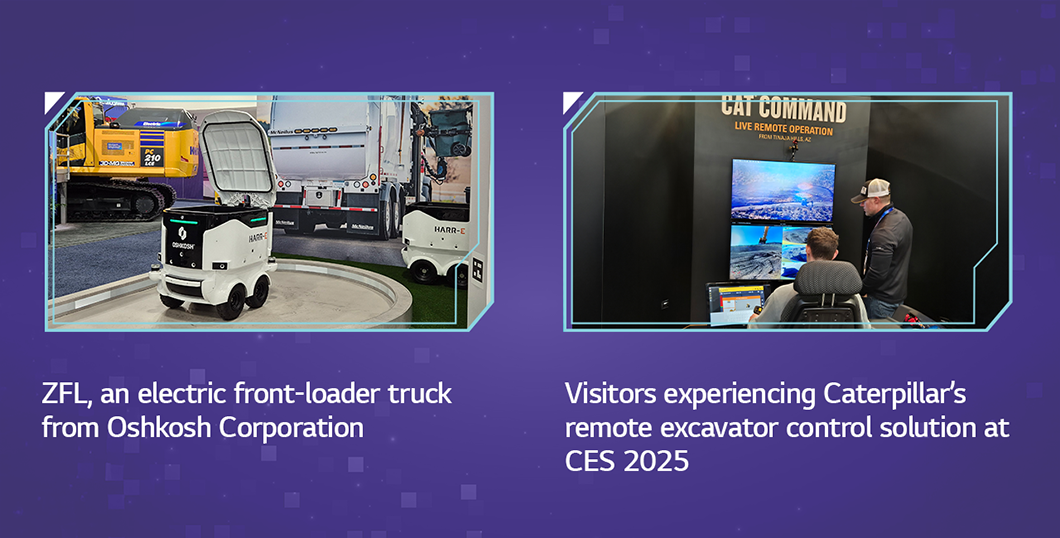
Industrial sites around the world are facing the demand for improved productivity and efficiency but continue to struggle with the longstanding challenges caused by the complexity of the work environment and labor shortage. In this context, mobility electrification and AI technologies are not only improving the efficiency of industrial sites but also creating a sustainable industrial environment. A prime example of how industrial equipment can evolve is the ZFL, an electric front-loader truck for waste collection from Oshkosh Corporation, a purpose-built vehicle and equipment manufacturer. This has excellent energy performance, allowing it to work all day on a single charge. Additionally, it is equipped with AI/ML-based automatic bin detection and waste collection technology, reducing daily work time by up to 45 minutes.
(2) Construction: Enhancing safety with remote control technology
The construction sites have constantly dealt with the challenge of safety. Against this backdrop, Caterpillar’s remote-control solution for excavators drew significant attention at CES 2025. The company showcased its Cat Command technologies, which enable remote operation of excavators through autonomous control functions. At the CES, visitors were able to remotely control an excavator located 700 kilometers away in real-time. This technology is recognized as a groundbreaking innovation that not only enhances worker safety in hazardous construction environments but also improves operational efficiency and flexibility.
(3) Agriculture: AI-based robotics technology to improve productivity
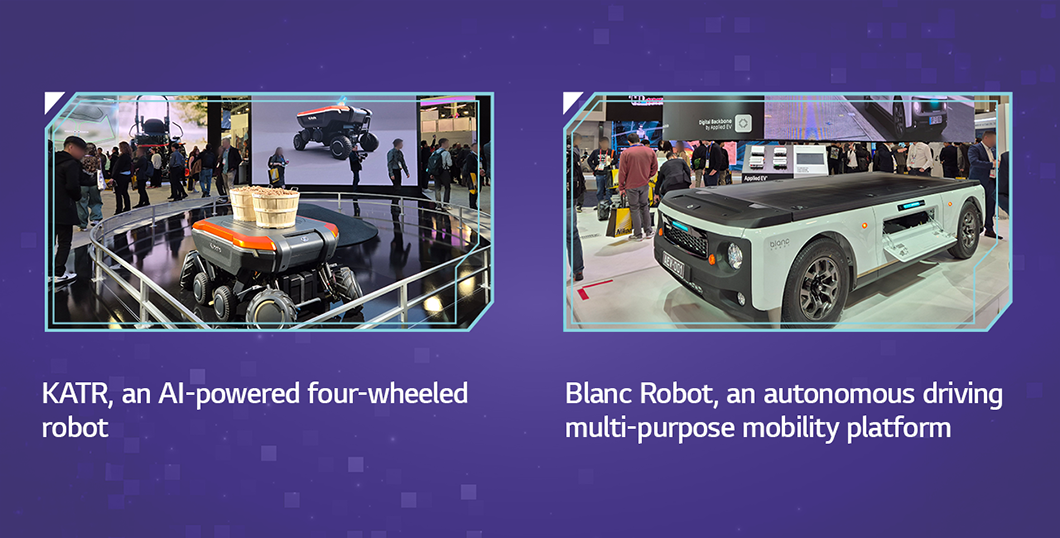
Winner of the CES 2025 Best of Innovation Award in the Industrial Equipment and Machinery category, Kubota’s KATR robotic tractor showcased the future of agriculture through advanced technologies. KATR is not just an ordinary robotic tractor, but a four-wheeled robot tractor with AI technology. Its AI-driven robotic legs analyze terrain conditions in real-time, ensuring balance and stability while effortlessly navigating challenging landscapes such as hills and slopes. It can also carry loads of up to 240 kilograms. Beyond mechanizing farm work, KATR showcases mobility technology adaptable to various agricultural environments, demonstrating its potential to overcome challenging terrains and enhance productivity, addressing some of the longstanding issues in agriculture.
(4) Logistics: Autonomous and multi-purpose mobility platform that increases efficiency
The logistics industry faces a growing disparity as shipment volumes rise while workforce and infrastructure remain limited, with many transportation methods still relying on fossil fuels. As a result, the integration of electrification-based autonomous driving technology and software-driven mobility technologies is emerging as a key enabler for addressing labor shortages while promoting environmental sustainability in logistics. Blanc Robot, a logistics-focused autonomous vehicle jointly developed by mobility company Suzuki and autonomous robot manufacturer Applied EV, is a standout example of next-generation logistics mobility. It combines full autonomous driving capabilities with software-centric control technology, enabling last-mile deliveries without the need for a driver. Additionally, it also features a configurable table-top chassis design allowing for flexible adaptation to various industrial applications based on specific operational needs.
(5) Marine: Electrification and autonomous navigation for sustainability
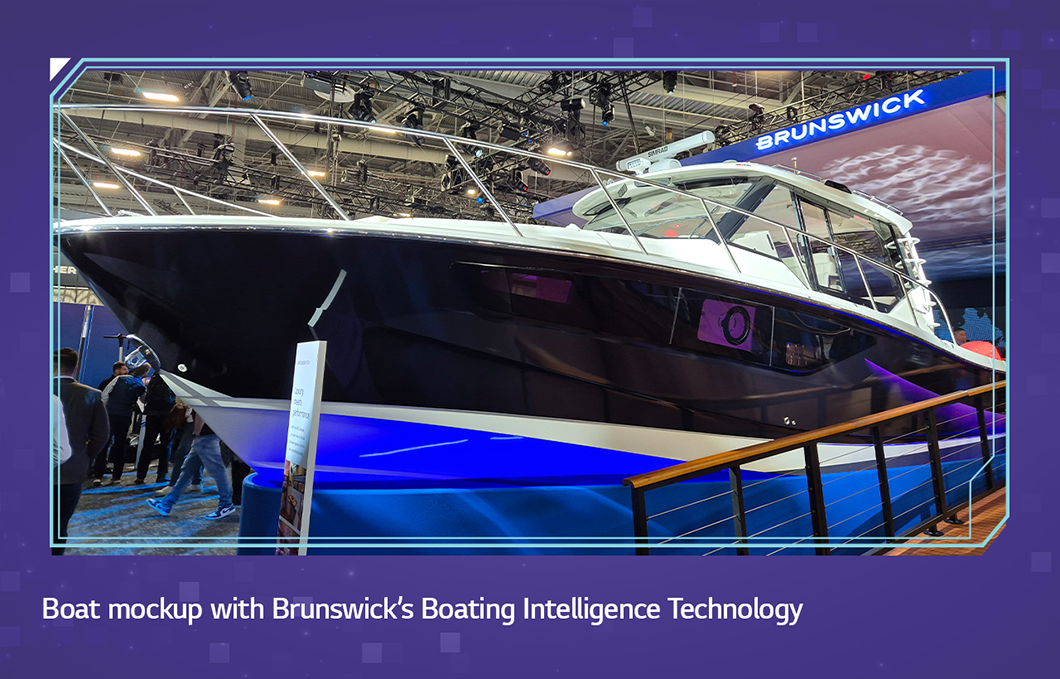
Expanding beyond land and air, mobility technology is making its way into the maritime industry, promising to revolutionize the boating experience while significantly contributing to sustainability. At CES 2025, Brunswick, a marine technology provider, unveiled its ‘Boating Intelligence’ initiative by incorporating AI capabilities, autonomous maneuvers, and safety monitoring technologies. This initiative not only enhances user convenience and safety but also promotes the adoption of electric propulsion systems to protect marine ecosystems and accelerate the transition toward a more sustainable industry. As electrification and AI-driven autonomous navigation technologies are fully introduced to the maritime industry, the future of maritime mobility is expected to encompass environmental protection, improved operational efficiency and safety, shaping a truly sustainable marine industry.
Dive In: Immerse the Future of Mobility Industry
CES 2025 highlighted mobility technologies that create new experiences and improve the quality of human life, with the main theme of “Dive In.” The event emphasized how mobility innovations ensure safer and more comfortable journeys, as well as enhancing productivity, efficiency, and safety in various industries. It also highlighted their contribution to sustainability across cities and the environment. In particular, advanced technologies including AI, electrification, and autonomous driving were showcased as key enablers of the future mobility ecosystem, exploring the immense value they can bring to humanity.
Amid these waves of innovation, LG Energy Solution is accelerating the development of advanced battery technologies for key industries such as future mobility and information and communication technology, while strengthening global partnerships. A prime example is a solar EV startup Aptera Motors that received significant attention at CES 2025 for maximizing driving range by integrating solar panels and battery packs. LG Energy Solution is the exclusive supplier of cylindrical batteries for Aptera, supporting its vision for highly efficient, solar-powered EVs. LG Energy Solution is also expanding collaboration with Qualcomm to commercialize Battery Management Systems (BMS) diagnostic solutions for future EVs. LG Energy Solution’s advanced battery technology also powers Honda’s American-made EVs, the Honda 0 Series sedan and Sport Utility Vehicle (SUV) lineup unveiled at CES 2025 for the first time. These strategic partnerships play a crucial role in LG Energy Solution’s vision of creating new experiences through advanced battery technologies and ultimately improving the quality of life for humanity.
Just as CES 2025 showcased the deepening connection between humans and technology, it also highlighted how innovation can solve challenges and unlock new possibilities. In the same way, LG Energy Solution is committed to exploring groundbreaking mobility technologies and fostering a more advanced mobility ecosystem to lead the future.
※ The views expressed in this column are those of the author and do not necessarily represent the official position or strategy of LG Energy Solution.